

When I first came across the word “implications,” I honestly froze for a second. 😅
I remember reading a message from a friend and he said, “Think about the implications.”
At that moment, I stared at the screen thinking,
“What does that even mean? And why does it sound so serious?”
I kept wondering if it was some heavy, complicated word that only smart, formal people used.
But then I took a moment, searched a little, and paid attention to how people used it in real situations.
That’s when it finally clicked.
🧠 What Does Implications Mean in Text?
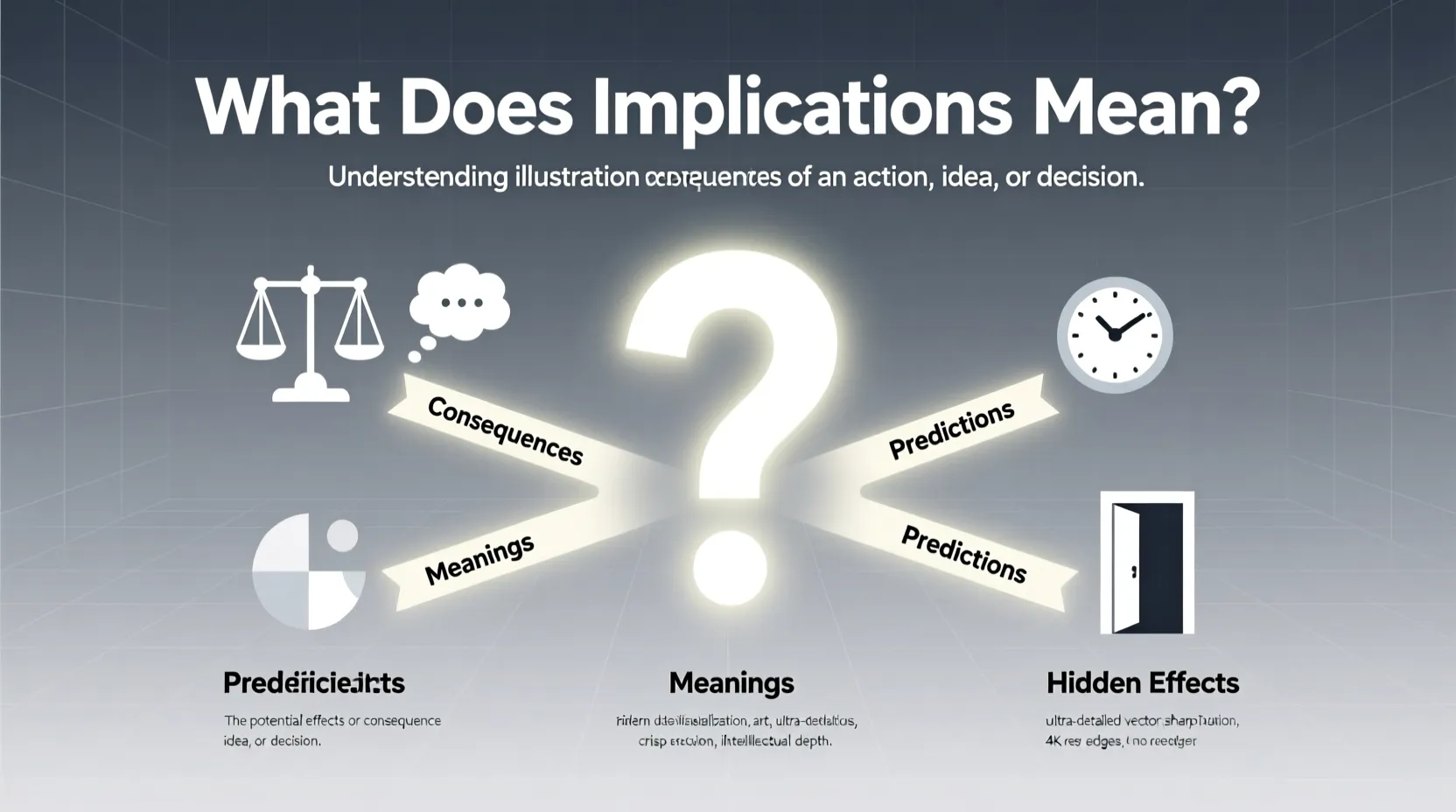
The word implications refers to the possible outcomes, consequences, or effects of something. In texting, people often use it when they want to discuss or hint at what might result from a decision, event, or statement.
Example:
- “Have you thought about the implications of skipping the meeting?”
Here, the sender is asking you to consider what might happen if you don’t attend.
In short:
Implications = Possible results/consequences = What might happen next.
📱 Where Is Implications Commonly Used?
Implications isn’t exactly casual slang—it’s more of a formal or thoughtful word, but it can still appear in online conversations when discussing serious topics or decisions.
Common platforms:
- 💬 Texting – especially with older friends or colleagues
- 📝 Emails or group chats – when discussing work or school decisions
- 📱 Social media posts – for thoughtful commentary or discussions
- 🎮 Gaming chats – occasionally, when planning strategy or consequences
Tone: Mostly formal to semi-formal, not typically used for flirty or super casual conversations.
💬 Examples of Implications in Conversation
Here are some realistic ways you might see implications used in chats:
A: “Thinking about quitting my job 😬”
B: “Yeah, consider the implications first…”
A: “Should we skip the team meeting?”
B: “The implications could be missing key updates.”
A: “I might invest in that startup.”
B: “Make sure you understand the financial implications.”
A: “I’m not sure if I should post this online 🤔”
B: “Think about the social implications before sharing.”
A: “He’s ignoring my messages again 😩”
B: “Hmm… maybe think about the implications of texting him back.”
🕓 When to Use and When Not to Use Implications
✅ When to Use:
- Friendly advice with thoughtful context
- Semi-formal discussions
- Texts where consequences or outcomes matter
- Academic or work-related chat
❌ When Not to Use:
- Casual jokes or memes
- Flirty conversations
- Urgent or emergency messages
- Super informal teen slang chats
Comparison Table:
| Context | Example Phrase | Why It Works |
| Friend Chat | “Think about the implications 😅” | Casual but thoughtful |
| Work Chat | “We need to consider the implications.” | Professional & clear |
| “Please review the potential implications of this plan.” | Formal & precise |
🔄 Similar Slang Words or Alternatives
| Word/Slang | Meaning | When to Use |
| Consequences | The results of an action | Formal or casual advice |
| Outcomes | What happens as a result | General discussions |
| Repercussions | Negative effects or consequences | Serious or formal contexts |
| Effects | The impact of a choice or action | Everyday conversation or work chat |
| Considerations | Things to think about before deciding | Planning, discussion, thoughtful tone |
❓ FAQs
Q1: Is “implications” casual slang?
No, it’s a formal word but can appear in texting or online when discussing serious matters.
Q2: Can I use “implications” in a meme or joke?
Technically yes, but it may sound overly formal and awkward in a casual joke.
Q3: What’s a simpler way to say implications in text?
You can use “results”, “effects”, or “outcomes” for simpler, casual phrasing.
Q4: Is it appropriate for work emails?
Absolutely! It’s perfect for discussing consequences, plans, or strategic thinking.
✅ Conclusion
Implications is a thoughtful word that helps you talk about possible results or effects in a conversation. While not casual slang, it works well in texting when you want to give advice, discuss decisions, or point out consequences. Knowing how and when to use it makes your messages clearer, smarter, and more intentional.


![What Does [sic] Mean](https://punzly.com/wp-content/uploads/2025/12/what-does-sic-mean.webp)