
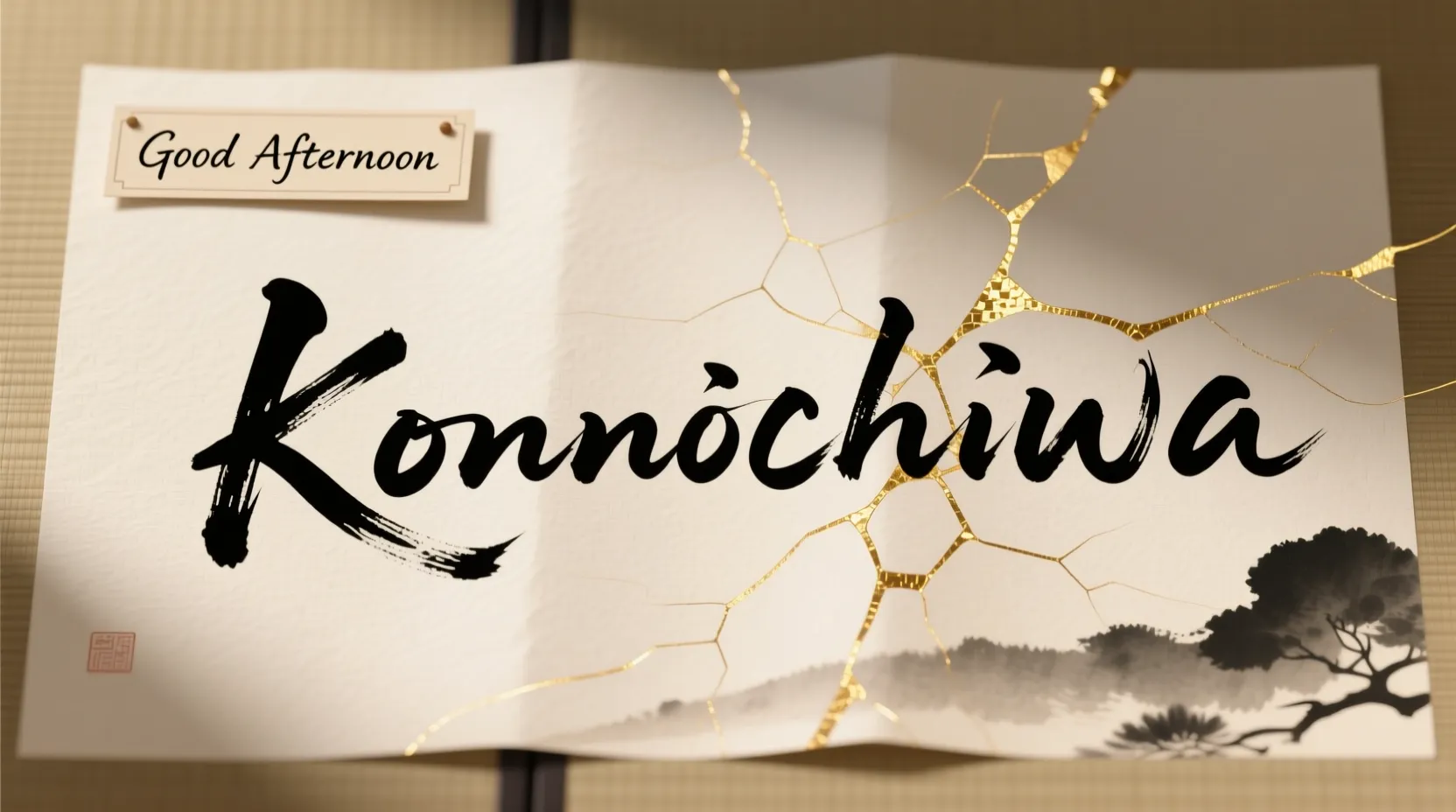

Have you ever scrolled through a TikTok comment or a Snapchat chat and suddenly saw someone type “konnichiwa”? 😳 At first, it might look like a random jumble of letters, and you’re left wondering: “Is this some secret code?”
Don’t worry—you’re not alone! Many people encounter this word online or in text messages and feel confused about its meaning and proper use.
Quick Answer: Konnichiwa means “hello” or “good afternoon” in Japanese. It’s a friendly and polite way of greeting someone, suitable for casual chats, texting, and even social media posts.
🧠 What Does Konnichiwa Mean in Text?
Konnichiwa is a traditional Japanese greeting that literally translates to “good afternoon”, but in texting or social media, it’s often used more broadly as “hello”.
Example Sentence:
- A: “Hey! How’s your day going?”
- B: “Konnichiwa! 😊 Just chilling at home.”
In short:
Konnichiwa = Hello/Good afternoon = Friendly greeting
📱 Where Is Konnichiwa Commonly Used?
Konnichiwa pops up in many digital spaces:
- ✨ Snapchat & Instagram DMs — casual greetings to friends
- 🎮 Gaming chats — when joining a lobby or saying hi to teammates
- 🐦 Twitter/X & TikTok comments — as a fun, cultural hello
- 💬 Text messaging — friendly and polite way to greet
Tone: Casual, friendly, and social-media–friendly. It’s not formal in work or professional emails.
💬 Examples of Konnichiwa in Conversation
Here are some realistic chat examples:
A: “Hey, you awake?”
B: “Konnichiwa! 😄 just got up”
A: “Joining the game?”
B: “Konnichiwa! 🎮 ready to win”
A: “Long time no see!”
B: “Konnichiwa! 🌸 how’ve you been?”
A: “Good afternoon, everyone!”
B: “Konnichiwa! 😎”
A: “Can we start the call now?”
B: “Konnichiwa! Sure, I’m online”
A: “Just arrived at the cafe ☕”
B: “Konnichiwa! See you soon 😋”
🕓 When to Use and When Not to Use Konnichiwa
✅ When to Use:
- Greeting friends online or in person
- Social media posts and comments
- Casual gaming or texting chats
- Friendly introductions
❌ When Not to Use:
- Formal business emails
- Serious or urgent conversations
- Academic or professional presentations
Comparison Table:
| Context | Example Phrase | Why It Works |
| Friend Chat | “No rush, konnichiwa 😄” | Casual & friendly |
| Work Chat | “Hello, team.” | Polite & professional |
| “Dear Mr. Tanaka, good afternoon” | Formal & clear |
🔄 Similar Slang Words or Alternatives
| Slang | Meaning | When to Use |
| Ohayou 🌞 | Good morning | Morning chats or texts |
| Konbanwa 🌙 | Good evening | Evening greetings |
| Hey 👋 | Casual hello | Informal chats or texting |
| Yo 😎 | Friendly hi | Close friends or gaming chats |
| Hi/Hello 😊 | English alternative | Casual social media & texting |
❓ FAQs
Q1: Can I use Konnichiwa all day?
A: Technically, it’s an afternoon greeting, but in texting or online, it’s used anytime as a casual “hello.”
Q2: Is Konnichiwa flirty?
A: Not really. It’s polite and friendly, not romantic or flirty.
Q3: Can I use Konnichiwa with strangers?
A: Yes! It’s a safe and polite greeting for casual encounters online.
Q4: Is it formal enough for work emails?
A: For professional emails, it’s better to stick with “Hello” or “Good afternoon.”
Q5: How do you pronounce it?
A: “Kon-nee-chee-wa” — stress each syllable evenly.
✅ Conclusion
Konnichiwa is a simple, friendly, and culturally rich greeting that works perfectly in casual texting, social media, and online chats. Whether you’re joining a gaming lobby, messaging friends, or commenting on TikTok, it’s an easy way to say “hello” with a Japanese flair. 🌸


![What Does [sic] Mean](https://punzly.com/wp-content/uploads/2025/12/what-does-sic-mean.webp)